100以上 U X 2 Y 2 Z 2 1 2 Partial Derivative 4737
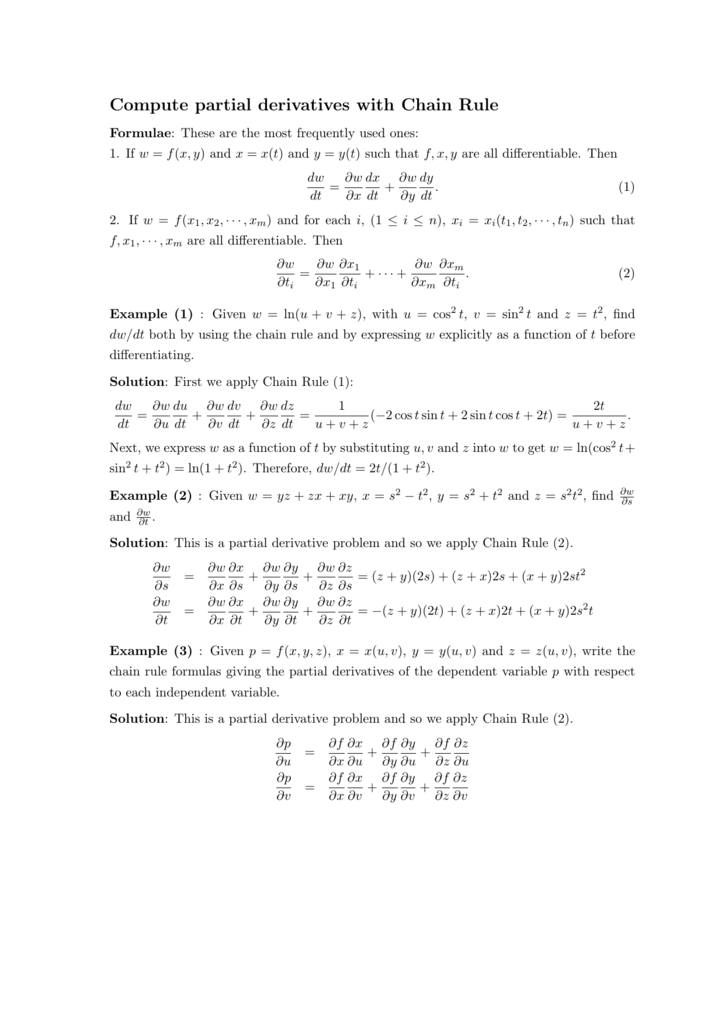
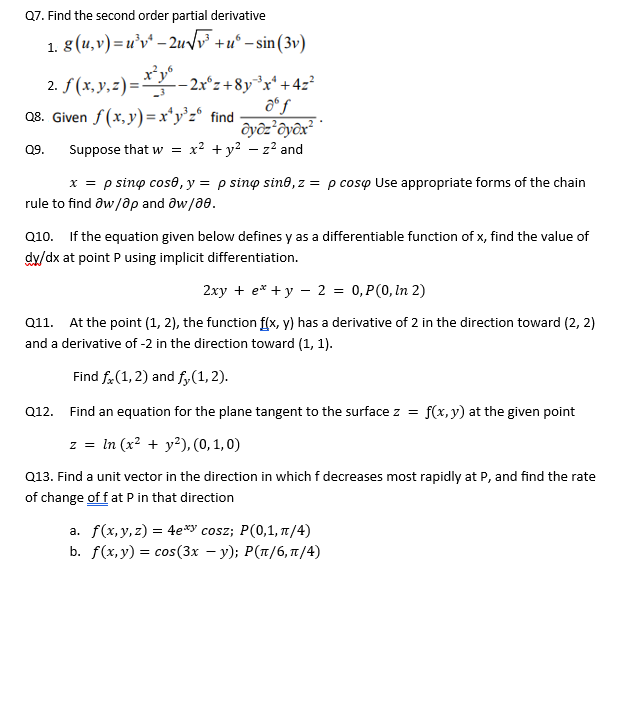
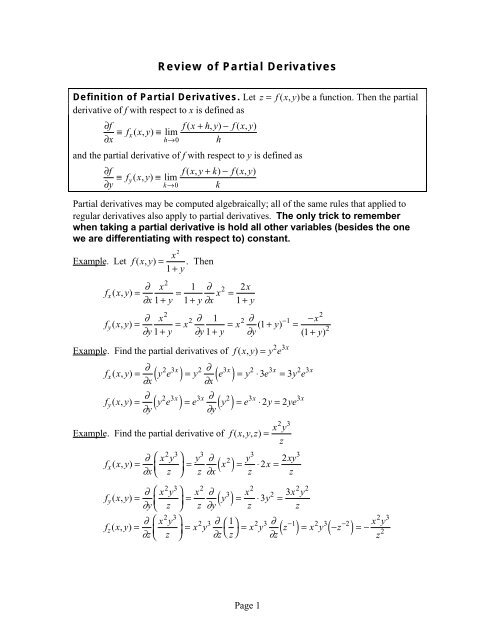
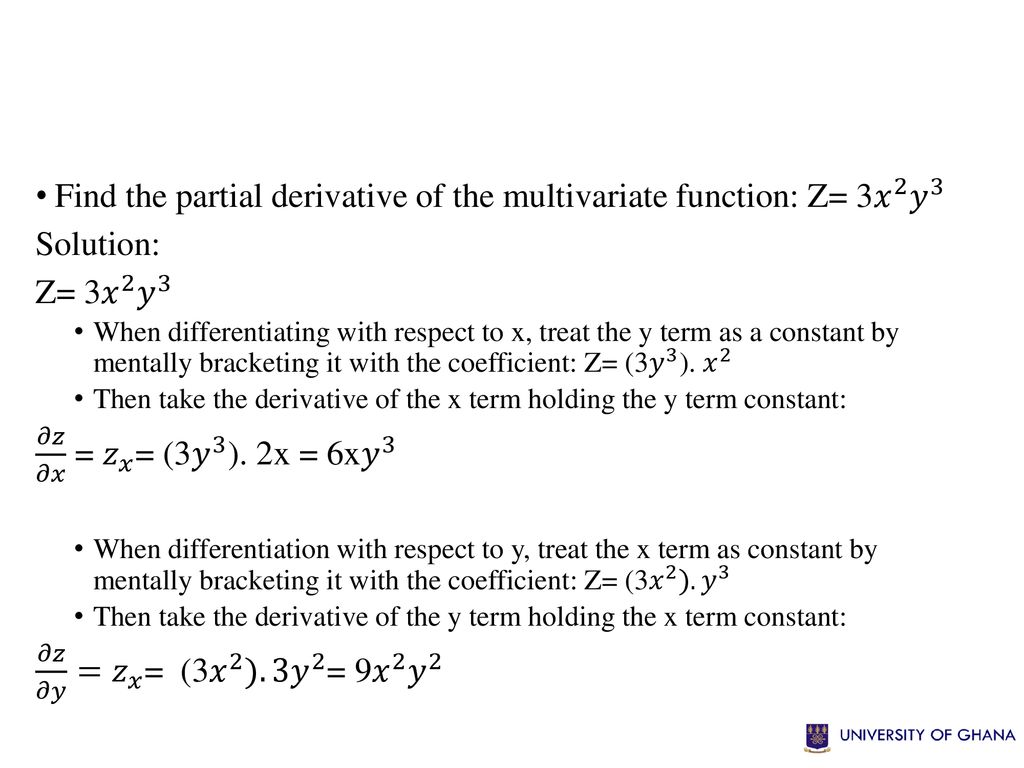
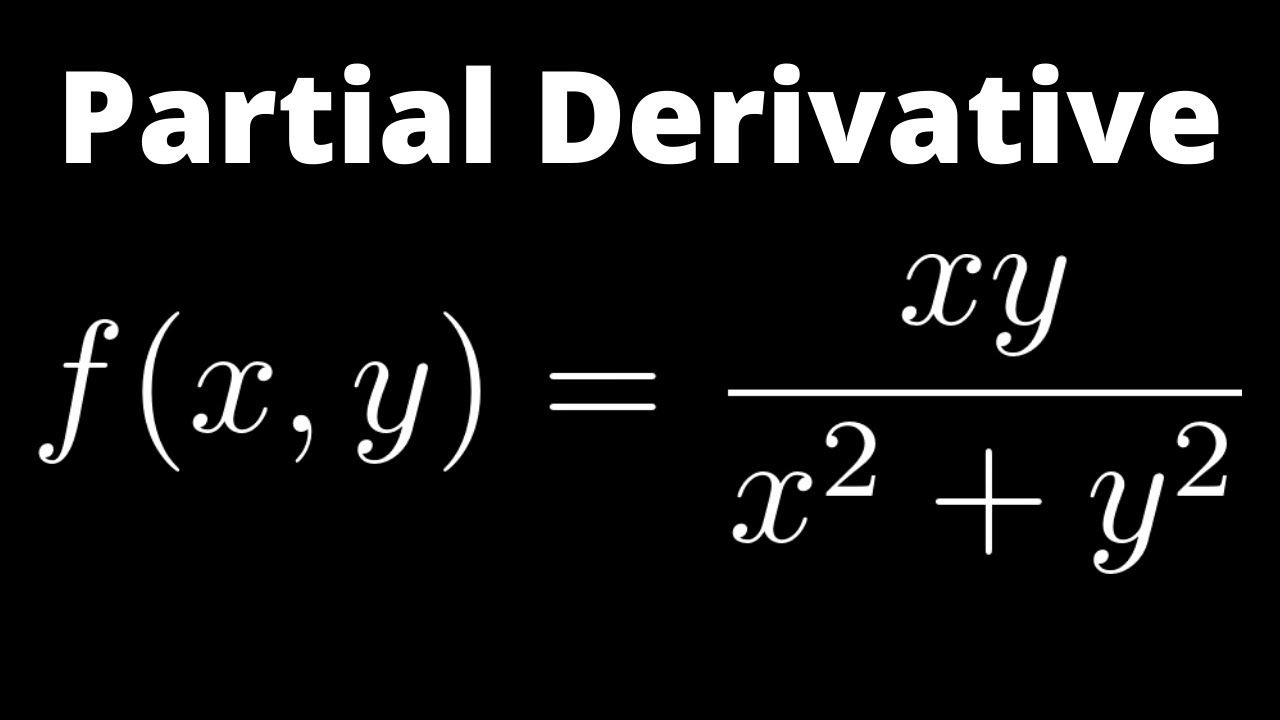
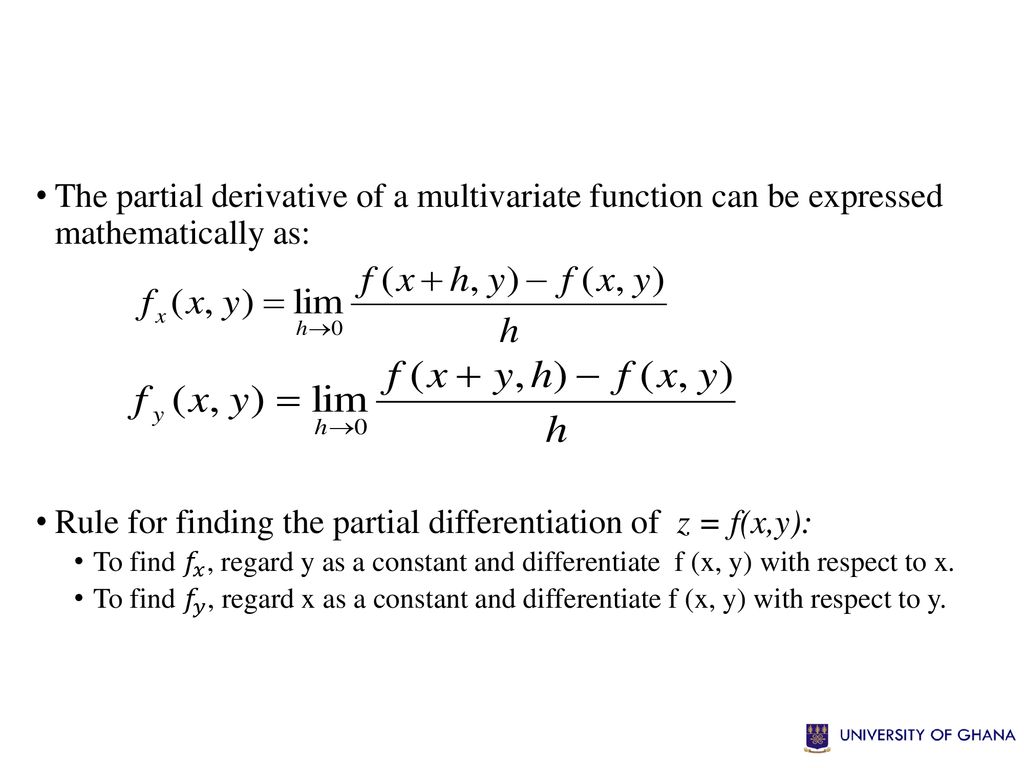
ℓ n (t) = {x = 0 y =2 t 1 z =t 1 As mentioned when studying the total differential, it is not uncommon to know partial derivative information about an unknown function, and tangent planes are used to give accurate approximations of the function In this case we call h′(b) h ′ ( b) the partial derivative of f (x,y) f ( x, y) with respect to y y at (a,b) ( a, b) and we denote it as follows, f y(a,b) = 6a2b2 f y ( a, b) = 6 a 2 b 2 Note that these two partial derivatives are sometimes called the first order partial derivatives Just as with functions of one variable we can have
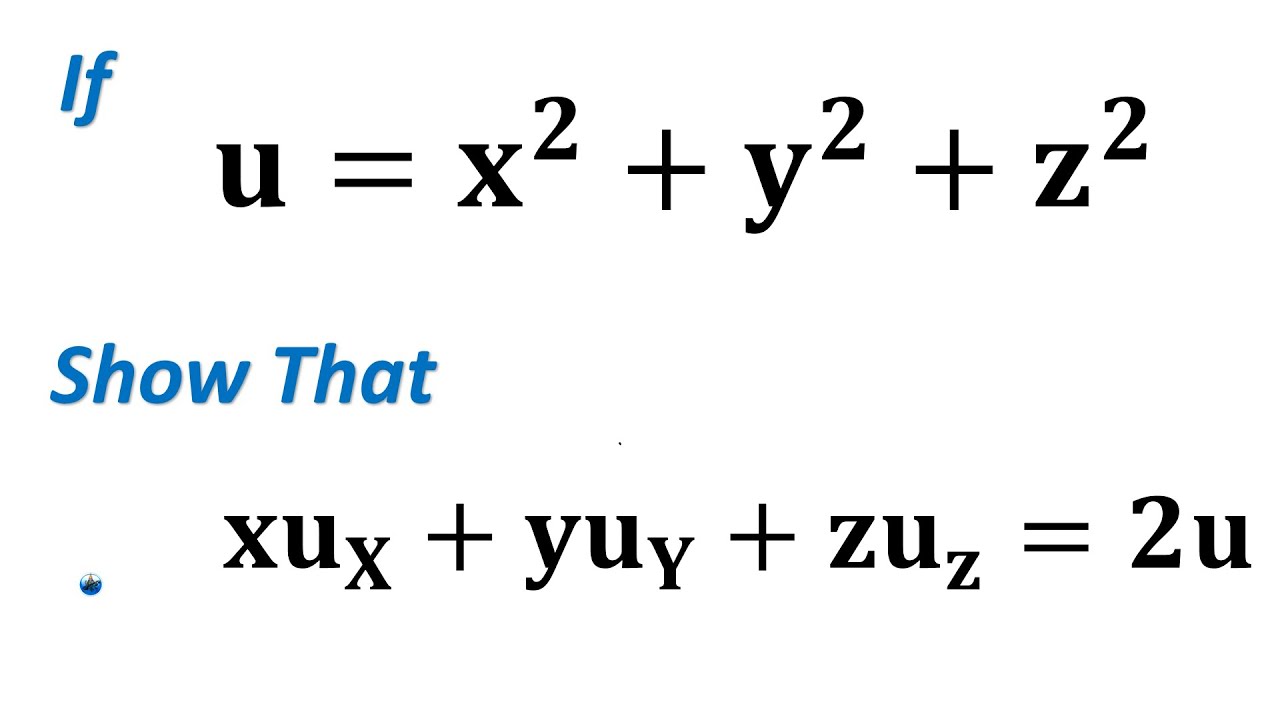
U=(x^2 y^2 z^2)^-1/2 partial derivative
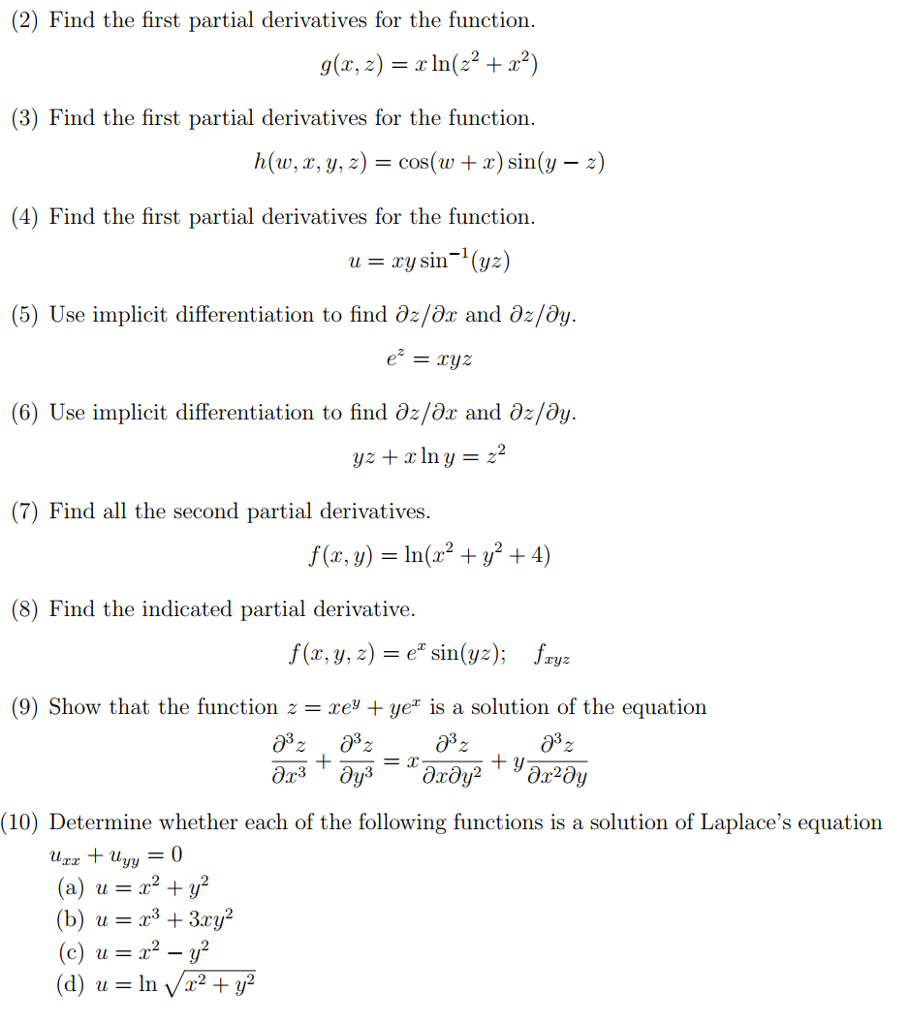
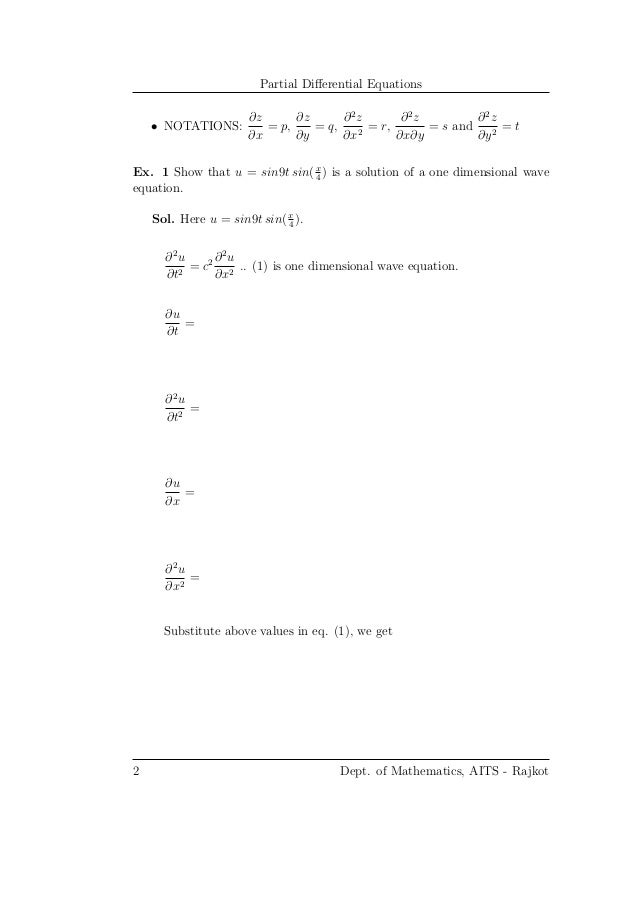
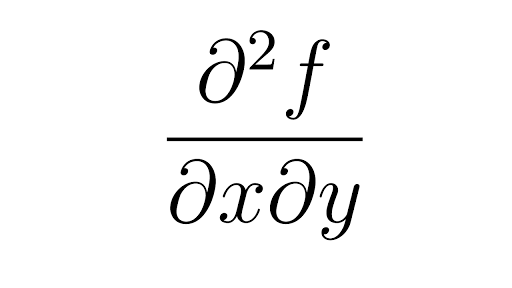
U=(x^2 y^2 z^2)^-1/2 partial derivative-Implicit Equations and Partial Derivatives z = p 1 x2 y2 gives z = f (x, y) explicitly x2 y2 z2 = 1 gives z in terms of x and y implicitly For each x, y, one can solve for the value(s) of z where it holds sin(xyz) = x 2y 3z cannot be solved explicitly for z Prof Tesler 31 Iterated Partial Derivatives Math C / Fall 18 14 / 19Subsection1033 Summary There are four secondorder partial derivatives of a function f of two independent variables x and y fxx = (fx)x, fxy = (fx)y, fyx = (fy)x, and fyy = (fy)y The unmixed secondorder partial derivatives, fxx and fyy, tell us about the concavity of the traces
Functions Of Several Variables
01 Recall ordinary derivatives If y is a function of x then dy dx is the derivative meaning the gradient (slope of the graph) or the rate of change with Example 1 Find each of the directional derivatives D→u f (2,0) D u → f ( 2, 0) where f (x,y) = xexy y f ( x, y) = x e x y y and →u u → is the unit vector in the direction of θ = 2π 3 θ = 2 π 3 D→u f (x,y,z) D u → f ( x, y, z) where f (x,y,z) = x2zy3z2 −xyz f ( x, y, z) = x 2 z y 3 z 2 − x y z in the direction of →vPartial derivative of x/y \square!
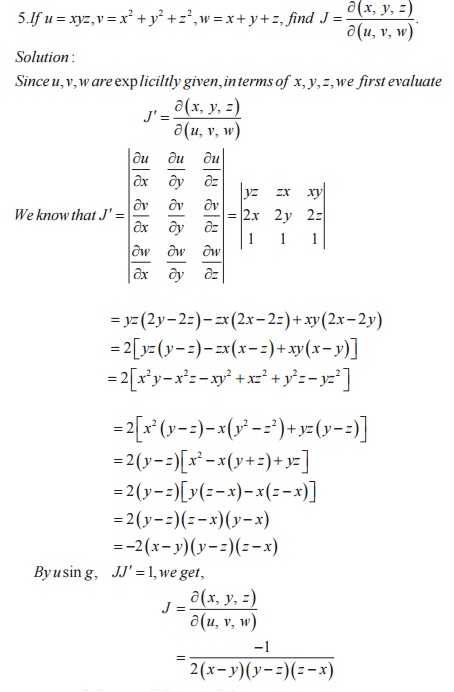
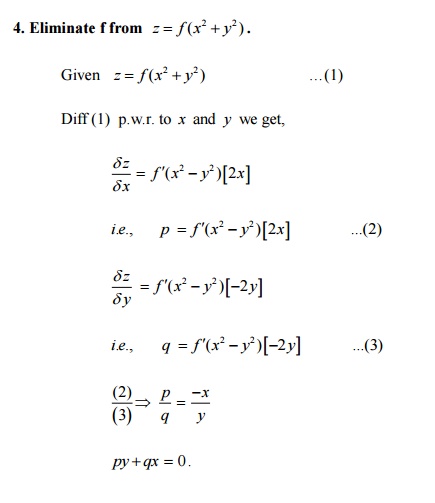
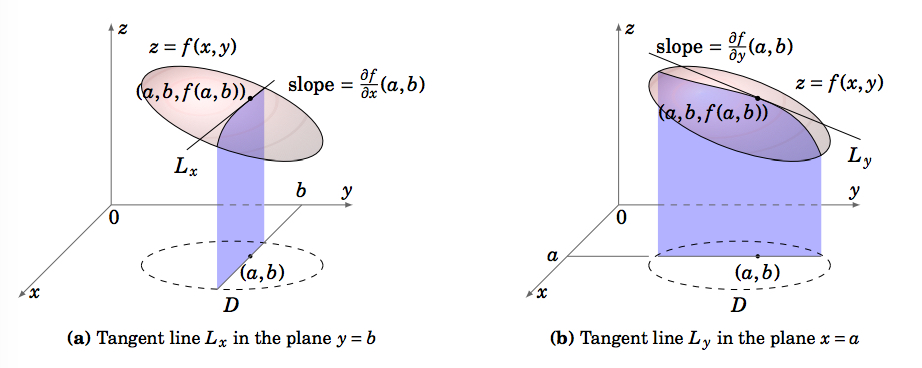
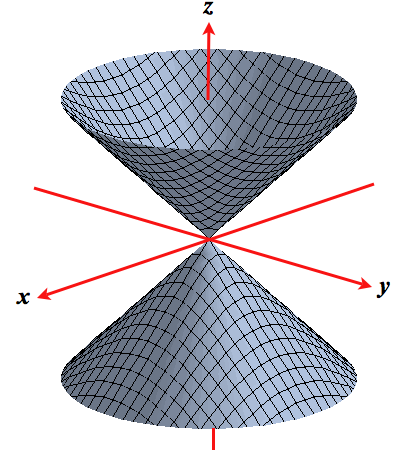
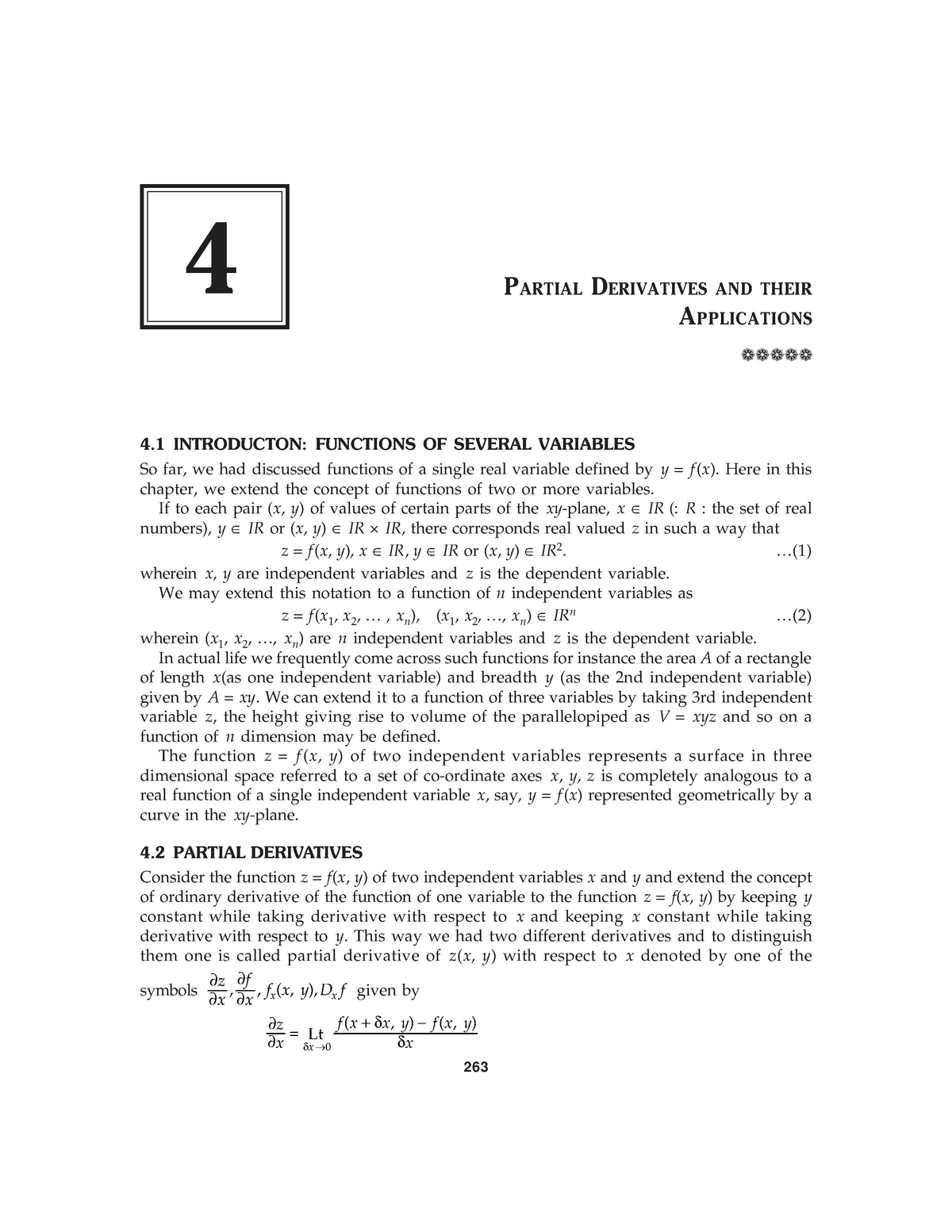
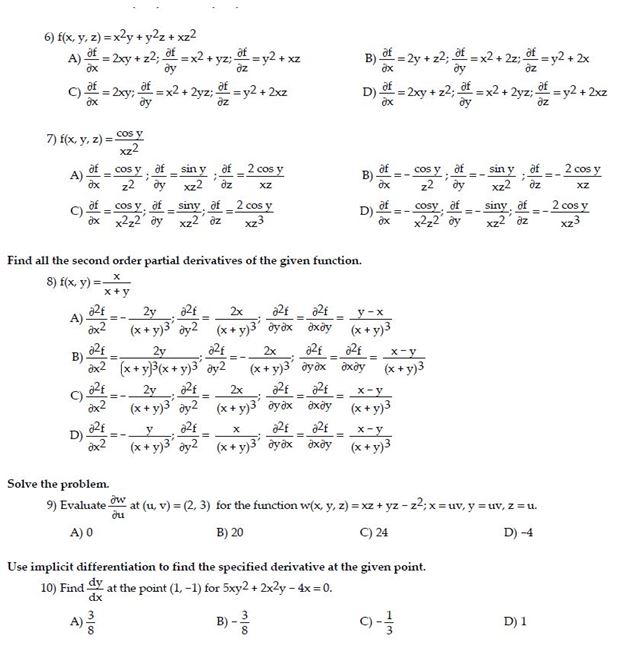
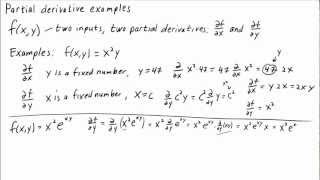
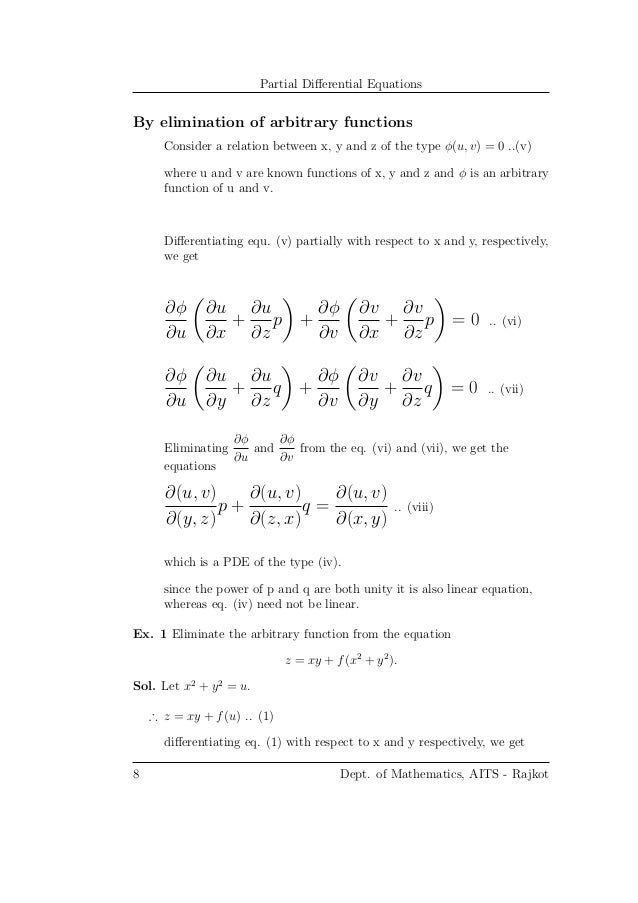
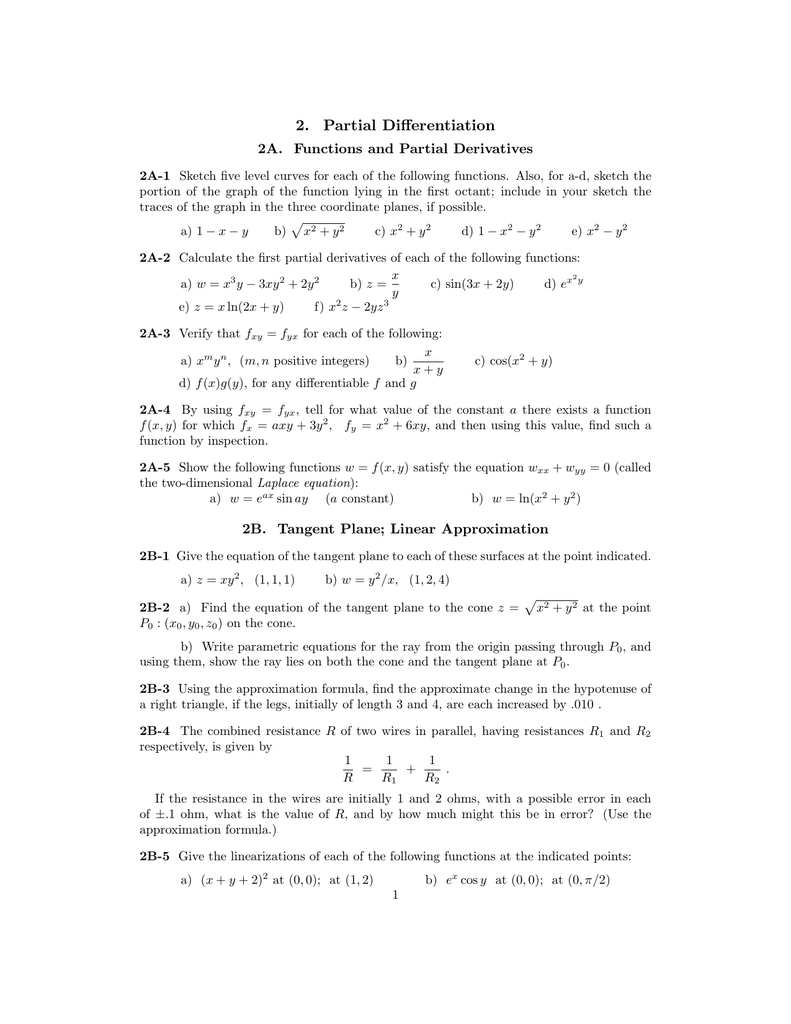
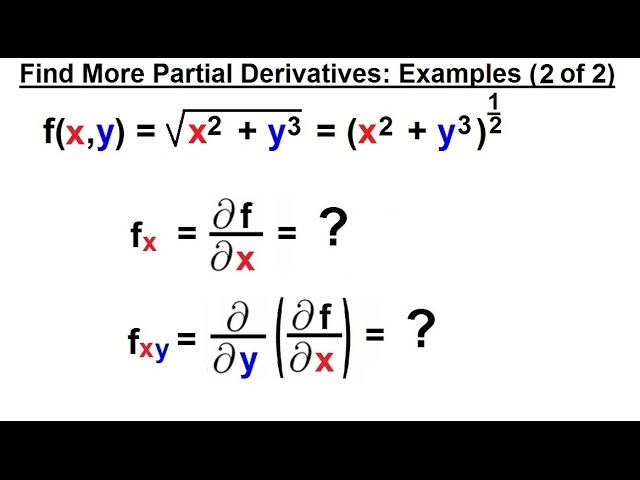
Definition of Partial Derivatives Let f(x,y) be a function with two variables If we keep y constant and differentiate f (assuming f is differentiable) with respect to the variable x, using the rules and formulas of differentiation, we obtain what is called the partial derivative of f with respect to x which is denoted by Similarly If we keep x constant and differentiate f (assuming f isThen the x2 y2 z z tangent plane is z = z0 0 x0 (x−x y0 x0 x y0 y , since x2y2 = z2 0) (y−y0), or z =Example 1 From the equation x2 y2 z2 = 1 form a PDE by eliminating arbitrary constant Solution z2 = 1 x2 y2 Differentiating wrto x,y partially respectively we get y y z x d z x z 2z 2 2 2 w w w w p = = x/z and q= = y/z z = x/p = y/ q qx = py is required PDE Example 2 From the equation x/2 y/3 z/4 = 1 form a PDE by
U=(x^2 y^2 z^2)^-1/2 partial derivativeのギャラリー
各画像をクリックすると、ダウンロードまたは拡大表示できます
 |  | |
 | |  |
 |  |  |
「U=(x^2 y^2 z^2)^-1/2 partial derivative」の画像ギャラリー、詳細は各画像をクリックしてください。
 |  | |
 |  | |
 |  | |
「U=(x^2 y^2 z^2)^-1/2 partial derivative」の画像ギャラリー、詳細は各画像をクリックしてください。
 |  |  |
 |  | |
 |  |  |
「U=(x^2 y^2 z^2)^-1/2 partial derivative」の画像ギャラリー、詳細は各画像をクリックしてください。
 |  | |
 |  |  |
 |  |  |
「U=(x^2 y^2 z^2)^-1/2 partial derivative」の画像ギャラリー、詳細は各画像をクリックしてください。
 |  | |
 |  | |
 |  |  |
「U=(x^2 y^2 z^2)^-1/2 partial derivative」の画像ギャラリー、詳細は各画像をクリックしてください。
 |  | |
 |  |  |
 |  |  |
「U=(x^2 y^2 z^2)^-1/2 partial derivative」の画像ギャラリー、詳細は各画像をクリックしてください。
 | ||
 |  | |
 |  |  |
「U=(x^2 y^2 z^2)^-1/2 partial derivative」の画像ギャラリー、詳細は各画像をクリックしてください。
|  |  |
 |  |  |
「U=(x^2 y^2 z^2)^-1/2 partial derivative」の画像ギャラリー、詳細は各画像をクリックしてください。
 | ||
 |  | |
 |  |  |
「U=(x^2 y^2 z^2)^-1/2 partial derivative」の画像ギャラリー、詳細は各画像をクリックしてください。
 |  |  |
 |  |  |
 |  | |
「U=(x^2 y^2 z^2)^-1/2 partial derivative」の画像ギャラリー、詳細は各画像をクリックしてください。
 |  |  |
 |  | |
 |  | |
「U=(x^2 y^2 z^2)^-1/2 partial derivative」の画像ギャラリー、詳細は各画像をクリックしてください。
 |  | |
 |  |
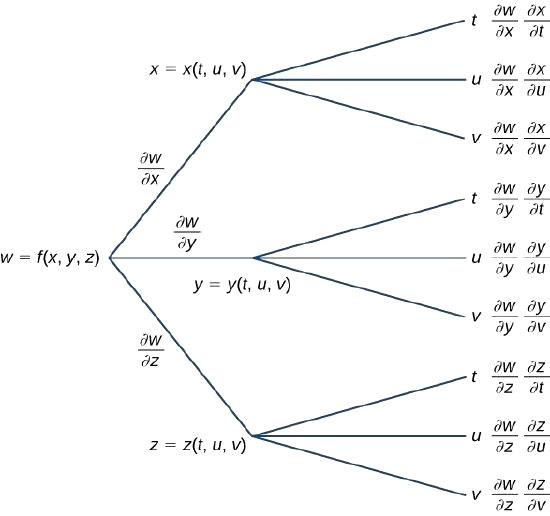
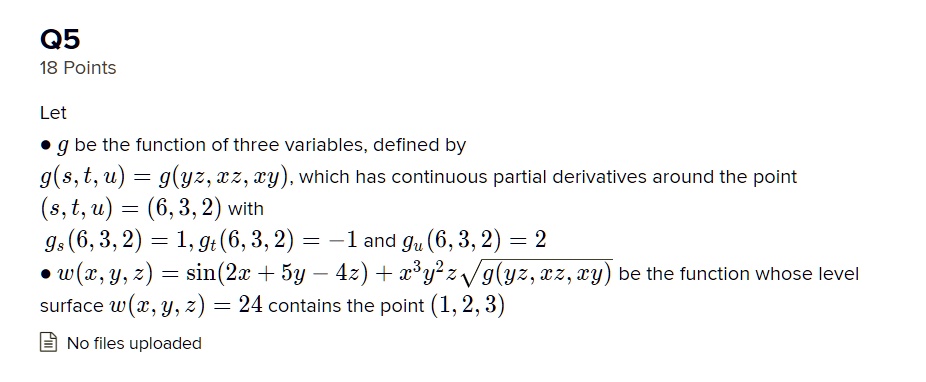
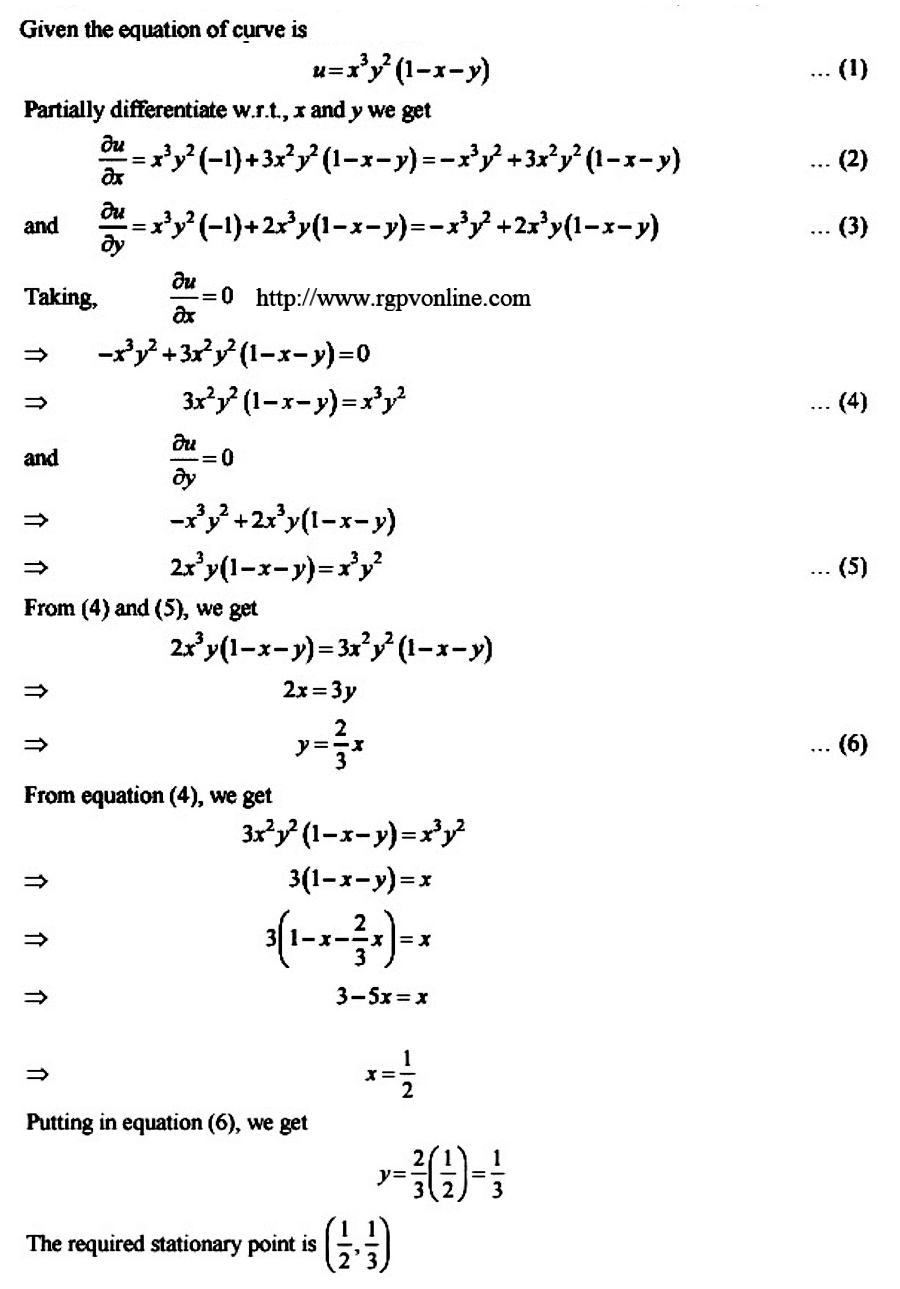
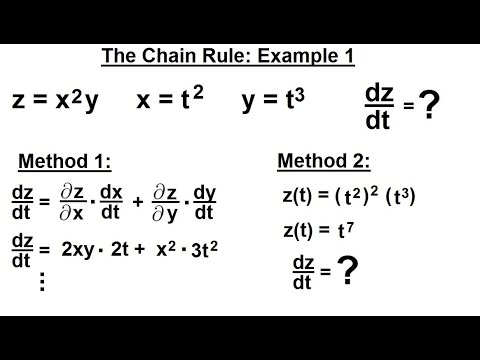
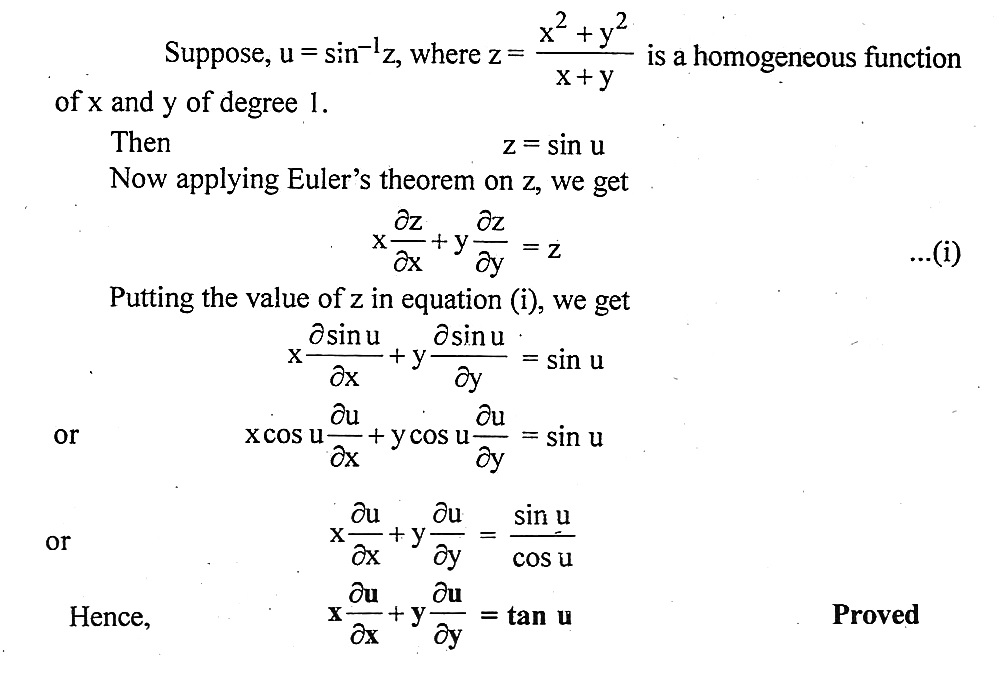
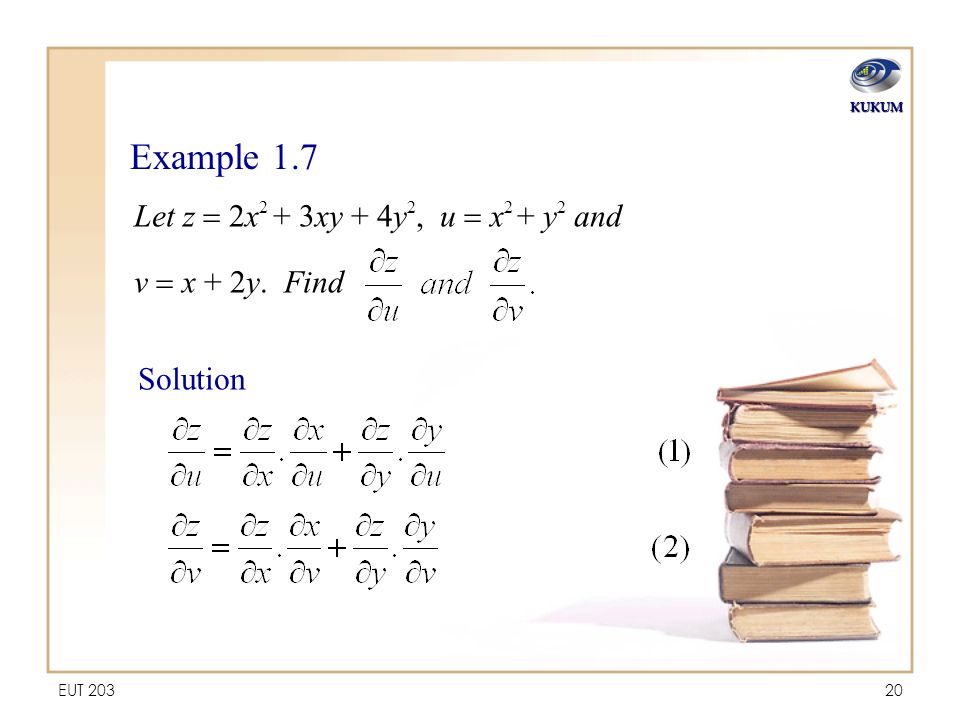
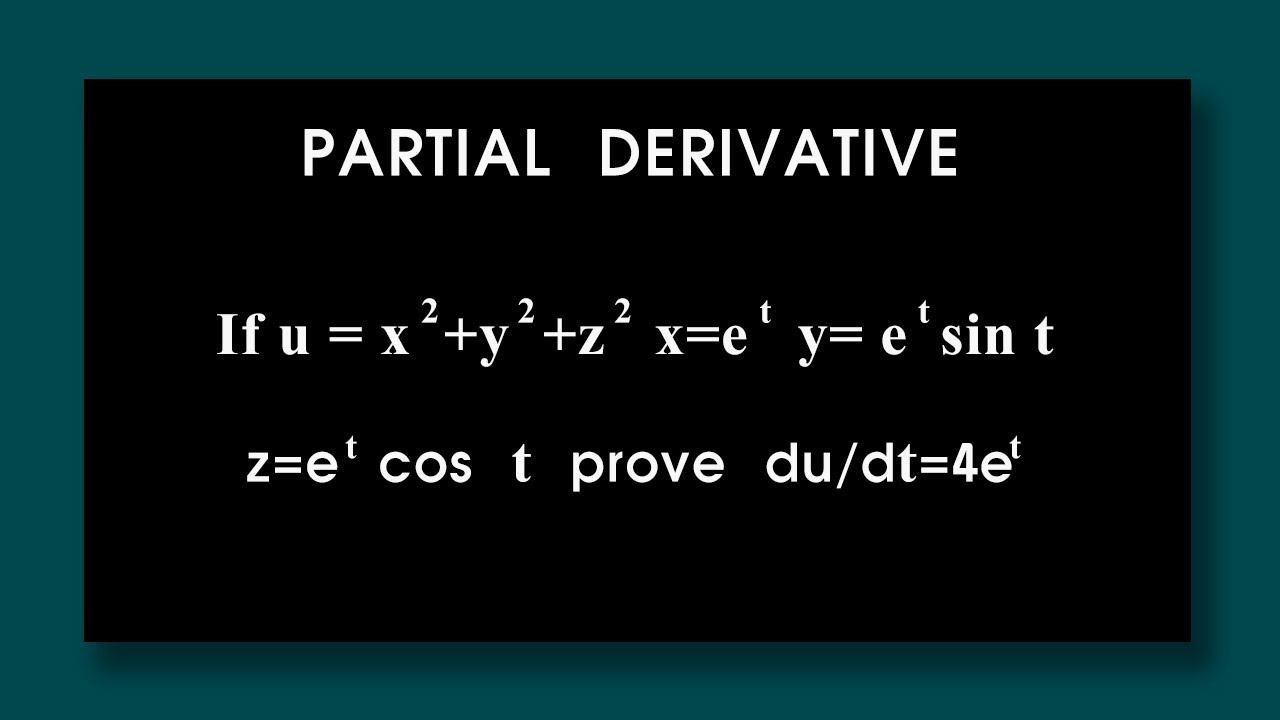
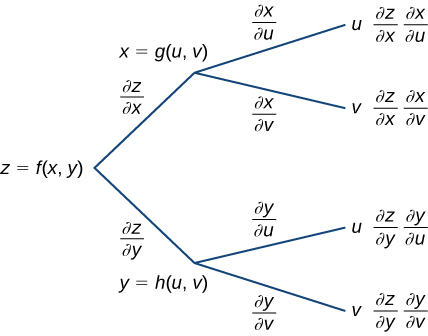
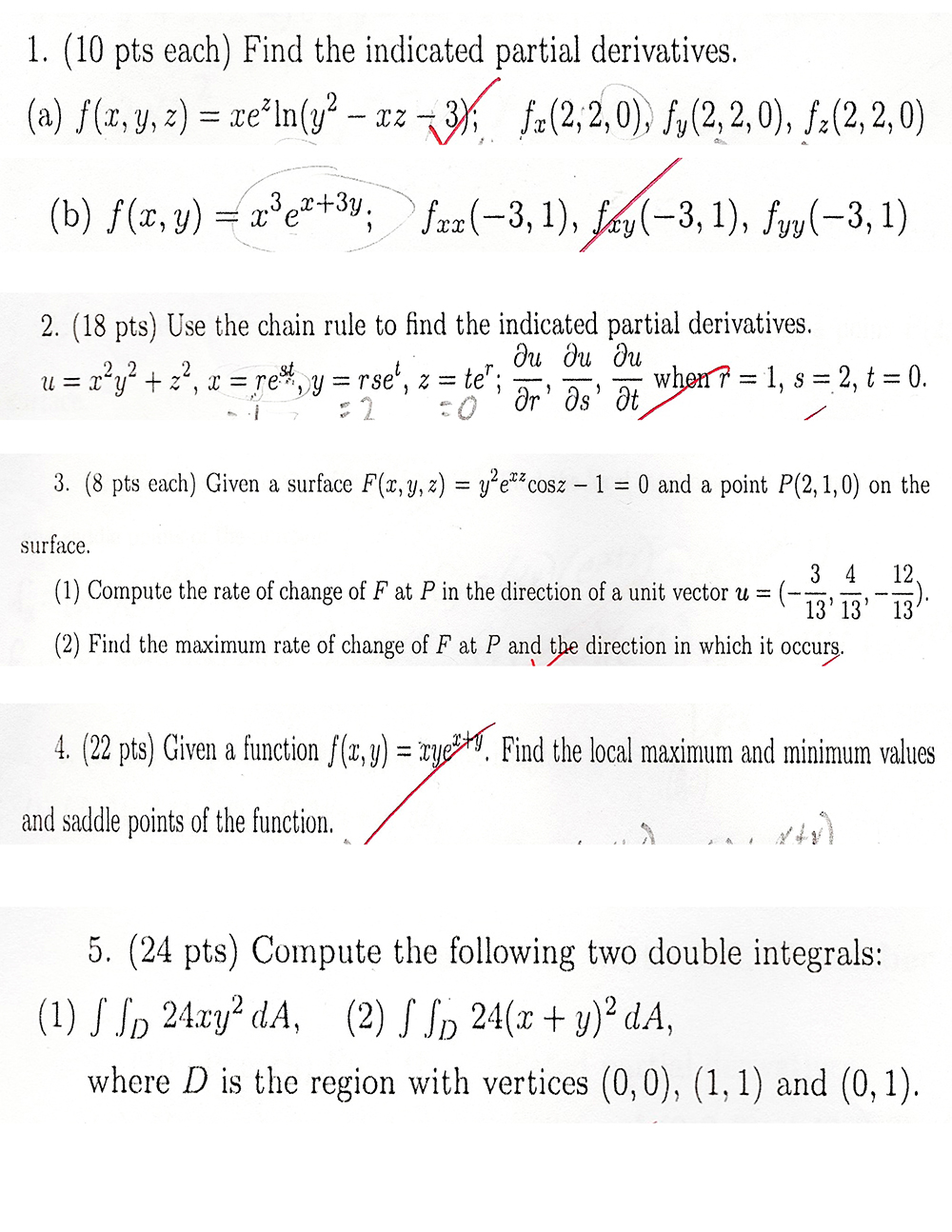
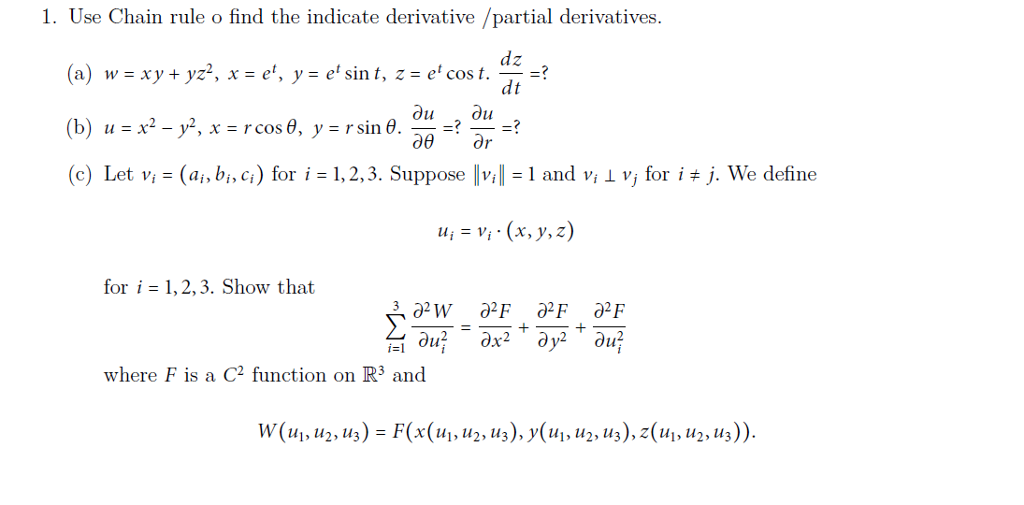
Variables then the derivatives are partial derivatives and we will use the partial derivative notation as in @z @x but if a variable depends only on one other variable, if u= x2 y2 and x= t2 1, y= 3sinˇt du dt = @u @x dx dt @u @y dy dt = 2x2t 2y3ˇcosˇt =EXAMPLE 1415 Suppose the temperature at (x,y,z) is T(x,y,z) = e−(x2y2z2) This function has a maximum value of 1 at the origin, and tends to 0 in all directions If k is positive and at most 1, the set of points for which T(x,y,z) = k is those points satisfying x 2y2 z = −lnk, a sphere centered at the origin The level surfaces are the


0 件のコメント:
コメントを投稿